Coronavirus keeps on spreading in the whole world after originating at Wuhan market in China.

Nearly 2,000 cases have been confirmed in mainland China with more than 50 people are dead with full or partial lockdowns in 15 Chinese cities as authorities attempt to limit the virus’s spread as it continues to spread throughout Asia and the rest of the world.
According to the World Health Organization (WHO), it was too early to declare it a global one but they acknowledged that the respiratory illness is an emergency in China.
As it continuously spreading outside the mainland China, mostly, the Asian countries were also affected even the Western countries.
Cases outside mainland China (38 total):
- Hong Kong: 5
- Thailand: 5
- Australia: 4
- Taiwan: 3
- Malaysia: 3
- Japan: 3
- France: 3
- Singapore: 3
- US: 2
- Macao: 2
- Vietnam: 2
- South Korea: 2
- Nepal: 1
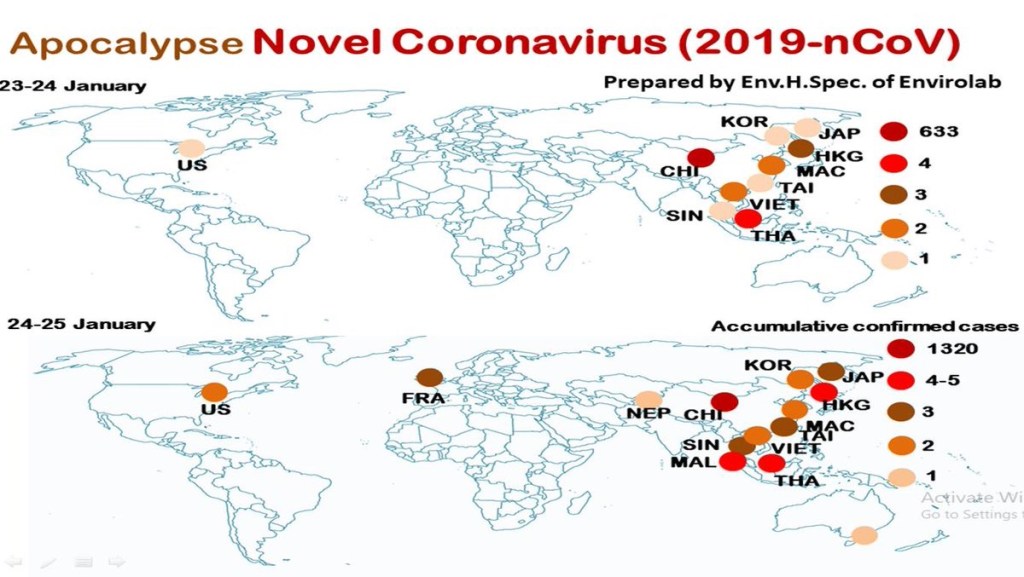
All you need to know about novel coronavirus
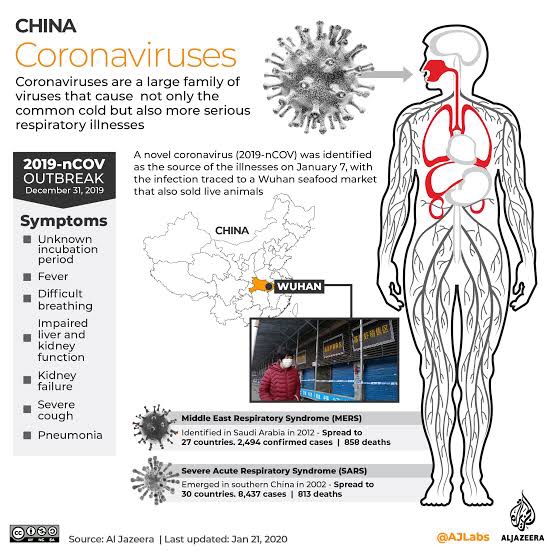
Coronaviruses are a family of viruses that cause illness ranging from the common cold to more severe diseases such as Middle East Respiratory Syndrome (MERS) and Severe Acute Respiratory Syndrome (SARS).
These viruses were originally transmitted between animals and people. Several known coronaviruses are circulating in animals that have not yet infected humans.
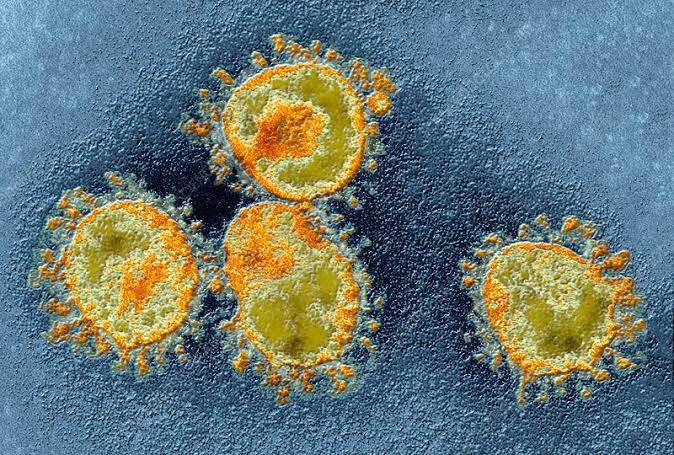
Under an electron microscope, the image of the virus is reminiscent of a solar corona that’s why coronavirus comes from the Latin word corona, meaning crown or halo.
What are the symptoms?
According to the WHO, signs of infection include fever, cough, shortness of breath and breathing difficulties.
In more severe cases, it can lead to pneumonia, severe acute respiratory syndrome, kidney failure and even death.
The incubation period of the coronavirus remains unknown. Some sources say it could be between 10 to 14 days and people who did not know they are ill have been spreading the virus.
Is the virus being transmitted from one person to another?
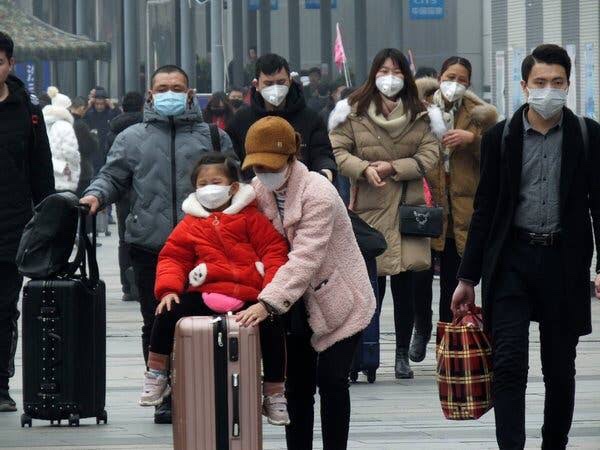
Human to human transmission has been confirmed by China’s national health commission. It primarily spreads through close contact with another individual, in particular through coughing and sneezing on somebody else who is within a range of about 3 to 6 feet from that person.
If an infected person sneezes or coughs onto a surface — a countertop, for example — and another person touches that surface and then rubs his or her eyes or nose, for example, the latter may get sick.
Coronavirus: Prevention and Treatment
Prevention
How to protect yourself
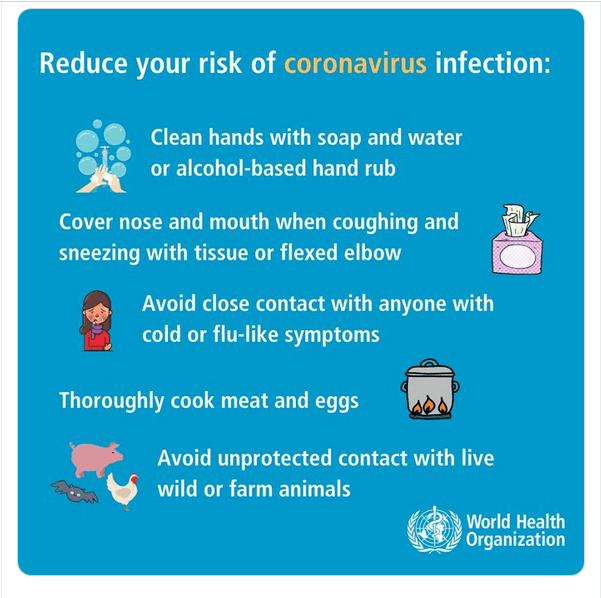
There are currently no vaccines available to protect you against human coronavirus infection. You may be able to reduce your risk of infection by doing the following:
- wash your hands often with soap and water for at least 20 seconds
- avoid touching your eyes, nose, or mouth with unwashed hands
- avoid close contact with people who are sick
How to protect others
If you have cold-like symptoms, you can help protect others by doing the following:
- stay home while you are sick
- avoid close contact with others
- cover your mouth and nose with a tissue when you cough or sneeze, then throw the tissue in the trash and wash your hands
- clean and disinfect objects and surfaces
Treatment
There are no specific treatments for illnesses caused by human coronaviruses. Most people with common human coronavirus illness will recover on their own. However, you can do some things to relieve your symptoms
- take pain and fever medications (Caution: do not give Aspirin to children)
- use a room humidifier or take a hot shower to help ease a sore throat and cough
If you are mildly sick, you should:
- drink plenty of liquids
- stay home and rest
If you are concerned about your symptoms, you should see your healthcare provider.
 Spread of Deadly Coronavirus